
Serendipity, the pleasant surprises, happen a lot in film photography because there is so much that can go wrong – knocking a dial here, forgetting to change setting there. My favourite is forgetting to change the film speed, I regularly shoot film at the totally wrong ISO. Most film cameras have a little slot on the back where you can slide-in a piece of the film packaging to remind you what emulsion you’re shooting, but I usually forget to do that.

So, I’ll wait until I’ve shot 15 or 20 rolls of film, that can take a day or up to two weeks, before I send them off for processing. The developed films return in a big fat brown package. I always do a quick preview in the kitchen, because that’s where the dustbin is, I hold the sheets of negatives up to the window and decide what’s coming down to the basement with me. The only victims that end-up in the bin are the sheets of celluloid that are completely blank, the ones that are so vastly over or under exposed as to render them useless. These are the negatives that are totally black, or completely see-through. For each one that goes into the bin I mutter “well that was a waste of eight pound…”
I think that for every 30 usable rolls, I’ll get 1 or 2 ‘wasters’, the rest, as long as there is some form of image on the negative, are usable. And this is what I love about film – the mystery of your ‘mistakes’ that don’t reveal themselves for days, sometimes weeks after they’re made. This never happens when you’re shooting digital, with technology where it is, it’s actually almost impossible to screw-up. The likes of Canon and Nikon have invested a huge amount of time and money into insuring that you can’t take a bad photo, this is why the back of your average digital camera looks like the control panel of The Starship Enterprise.
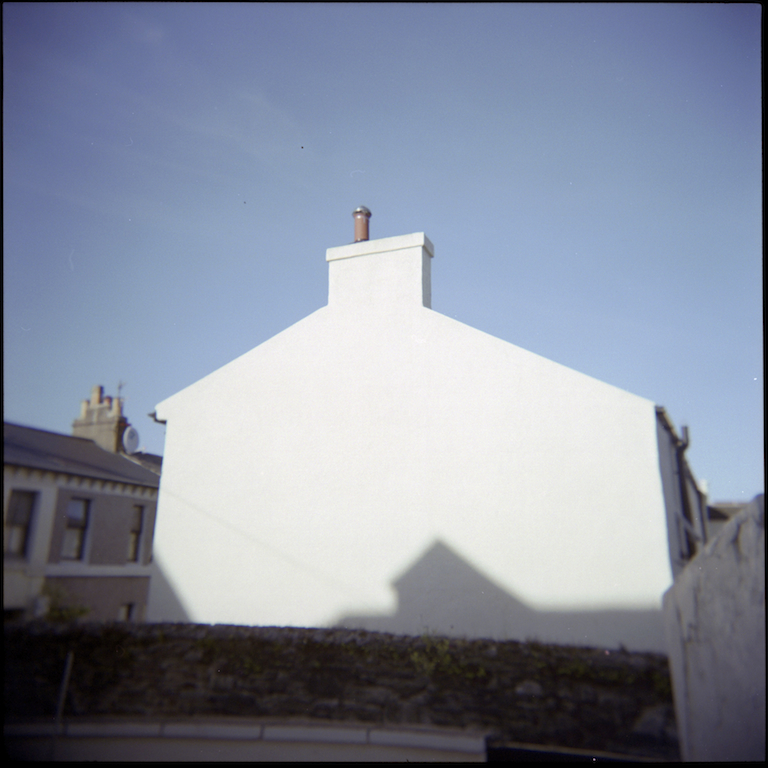
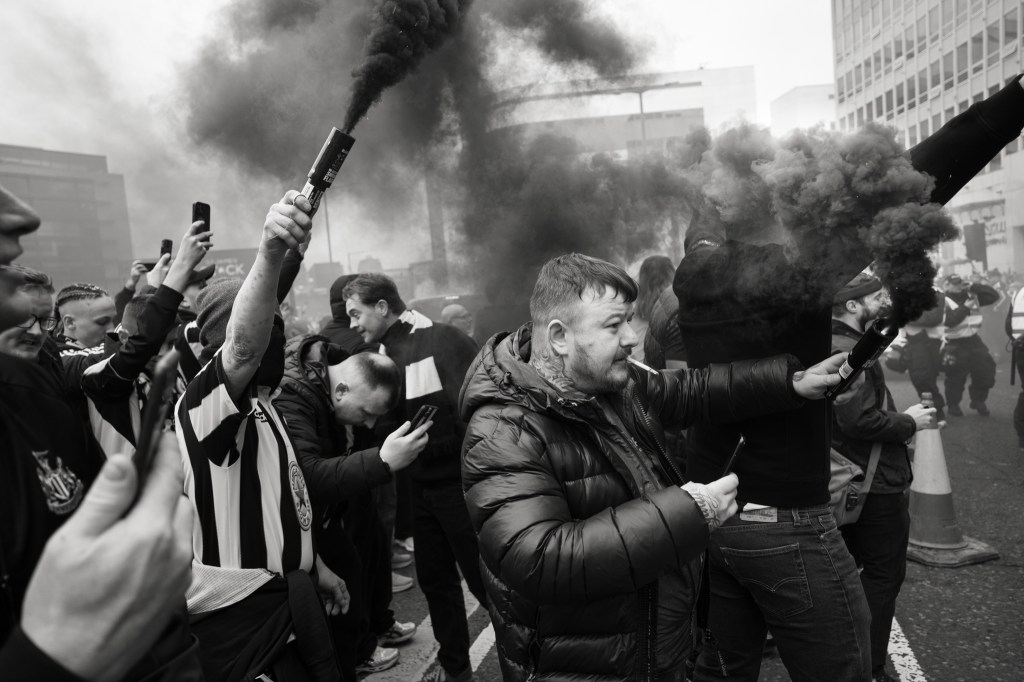
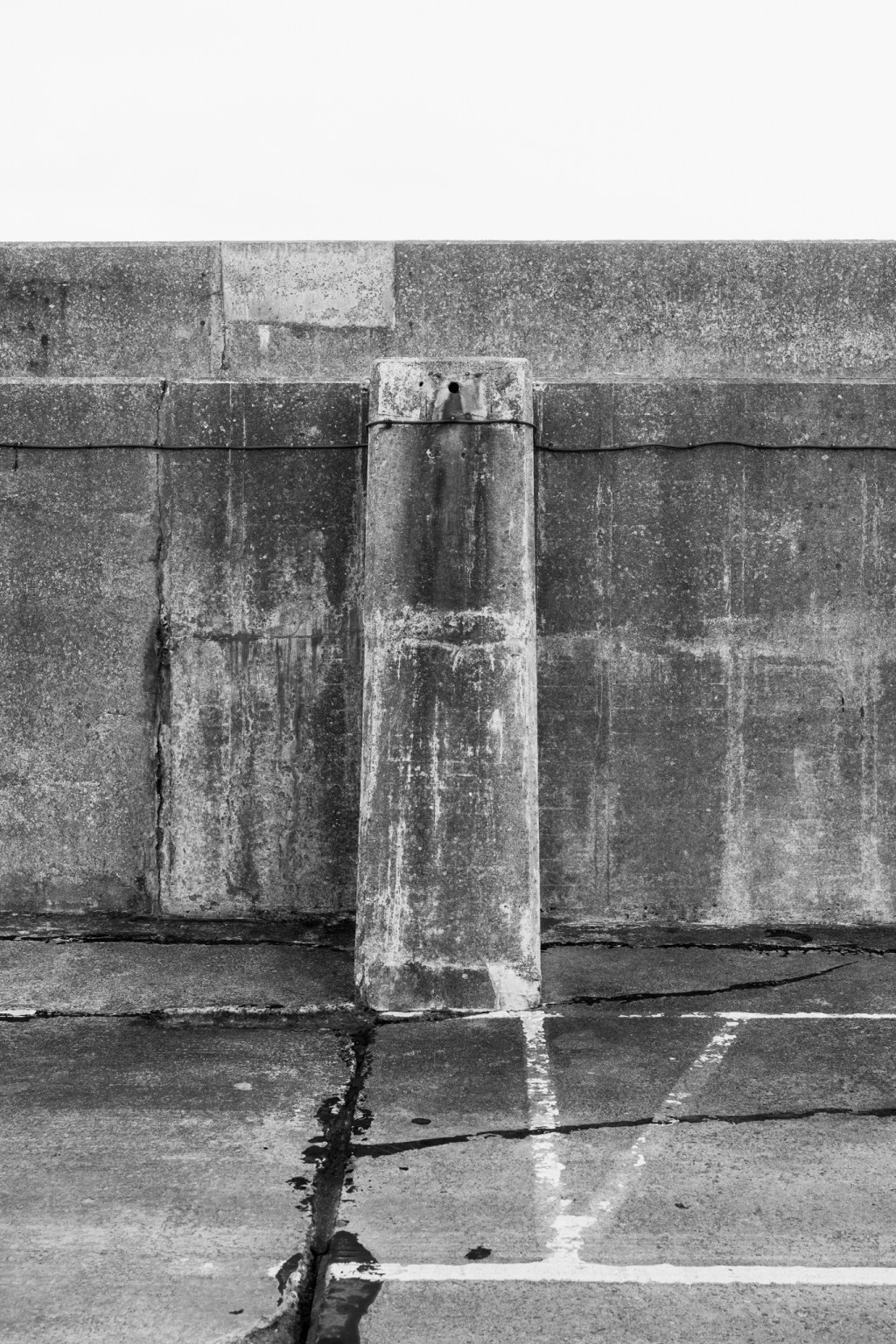
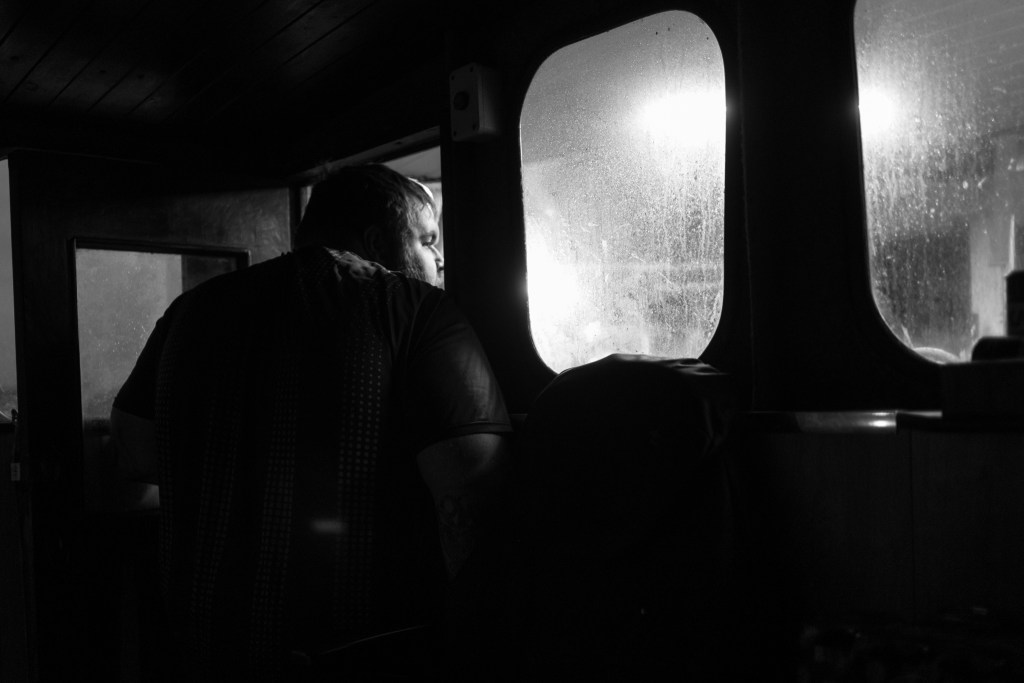
All the images here are made using a Holga GCFN camera, which is more prone to causing mistakes than most other film cameras…




 Phil Kneen
Leave a reply to Luddy’s Lens Cancel reply